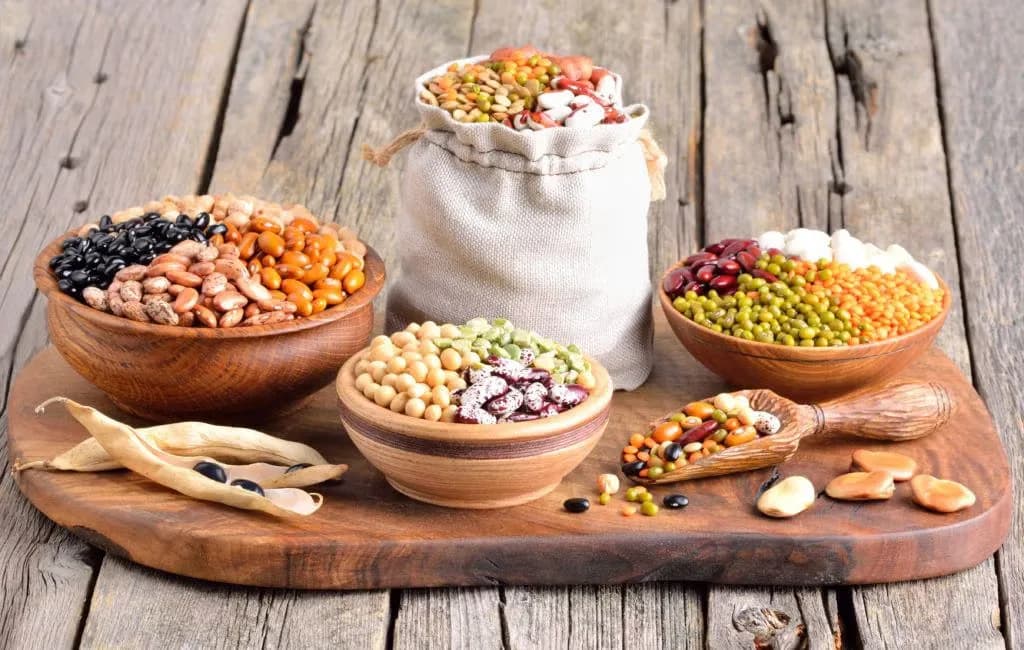
How to Cook Njahi, Beans and Ndengu Soft: Soaking and Cooking Times
2 min read
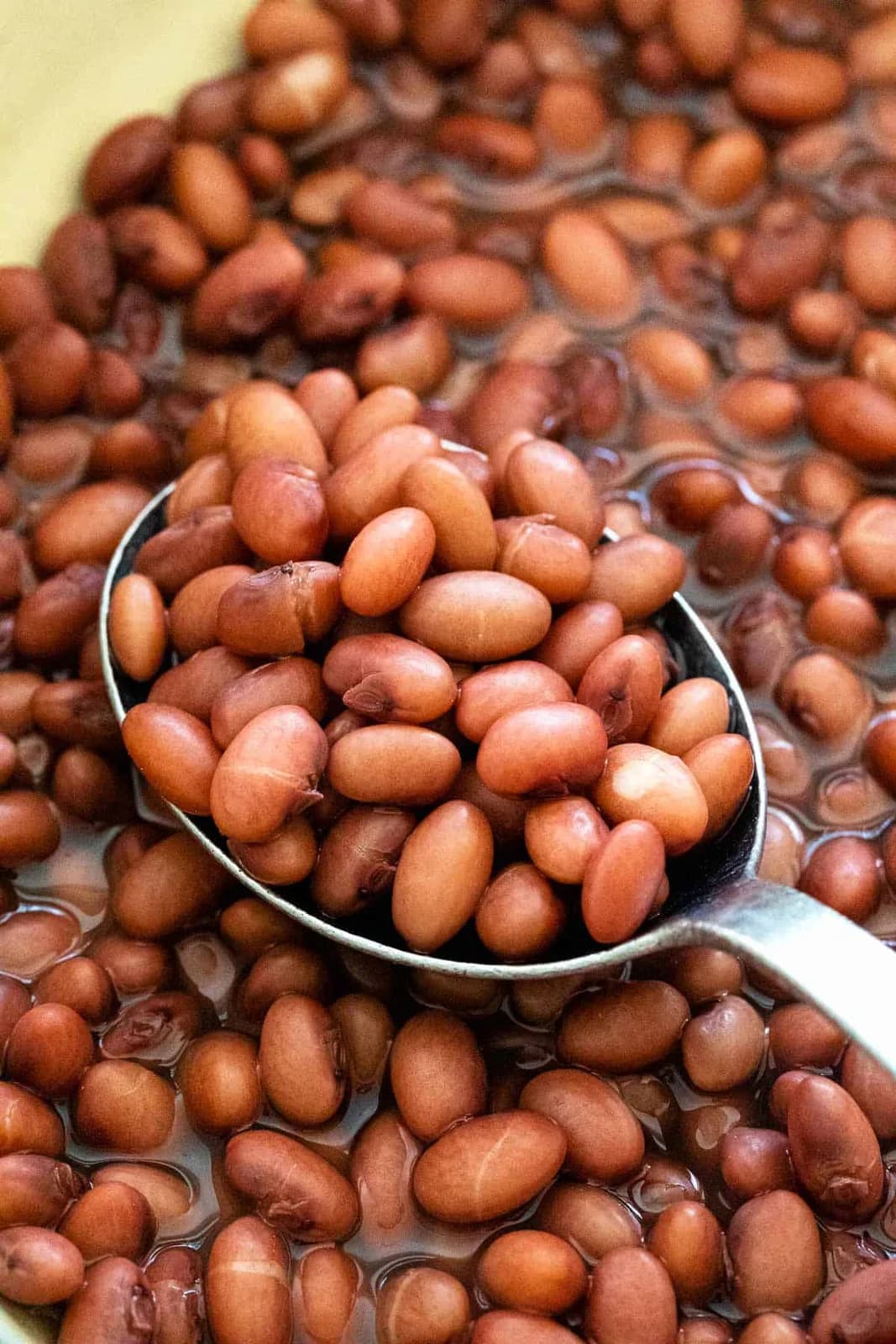
Few things are more frustrating than beans that are still hard after two hours on the jiko. The good news is that soft, evenly cooked pulses come down to a few simple habits. Here is how we suggest cooking the pulses most Ruaka households buy from us.
Start with clean, sorted pulses
Even sorted cereals deserve a quick look before cooking. Spread a handful on a tray, pick out anything that looks off, then rinse in two or three changes of water until the water runs clear. Beans that float are usually old or damaged, so skim them off.
Why soaking matters
Soaking lets dry beans take in water before they meet the heat. This shortens cooking time, saves gas or charcoal and helps the beans cook evenly instead of splitting outside while staying hard inside.
- Use plenty of water: at least three times the volume of the beans, as they swell.
- Soak overnight, roughly 8 to 12 hours, for most beans.
- Pour off the soaking water and cook in fresh water.
Cooking guide by type
Times below are rough guides for an ordinary sufuria. A pressure cooker will be much quicker, so follow your cooker's own instructions.
- Mwitemania and other common beans: soak overnight, then simmer for about 1 to 1.5 hours until a bean squashes easily between your fingers.
- Njahi: soak overnight. Njahi can take a little longer than other beans, often 1.5 to 2 hours on a steady simmer.
- Ndengu (green grams): no soaking needed, though a short soak of an hour helps. Simmer for 30 to 45 minutes until soft.
- Muthokoi: soak overnight and simmer for 1 to 1.5 hours. Many families cook it with beans for a filling githeri-style dish.
Tips to save gas and get softer pulses
- Simmer, do not boil hard. A gentle simmer with the lid on cooks just as well as a rolling boil and uses less fuel.
- Add salt and tomatoes later. Salt and acidic ingredients can slow softening, so add them once the beans are nearly done.
- Top up with hot water. Adding cold water to a pot of beans stops the cooking. Keep a kettle handy instead.
- Cook a big batch. Cook enough for two or three meals, cool quickly and keep in the fridge, or freeze in portions for busy weeknights.
- Use fresh stock. Very old beans can stay hard no matter how long you cook them. Buying in monthly amounts keeps your cupboard turning over.
Simple ways to serve them
Once your pulses are soft, the possibilities are endless:
- Njahi mashed with plantain or potatoes and a little onion.
- Ndengu stew with onions, tomatoes, garlic and a pinch of curry powder, served with chapati or rice.
- Beans and muthokoi fried with onions, dhania and a touch of our ground spices.
A little planning goes a long way. Put tomorrow's beans in to soak tonight, and dinner becomes the easy part.
Restock your pulses
We sell clean, sorted beans, njahi, ndengu and muthokoi by the kilo. Browse our pulses and add them to your monthly restock, or see how delivery works around Ruaka.
- beans
- cooking tips
- pulses